
Desworthy Editorial Team
Independent Desworthy editors covering ergonomic chairs, desk technology, and verified UK workspace promotions.
Last reviewed on by Desworthy Editorial Team.
The Sihoo Doro C300 is the Sihoo chair I would put first in the research queue for Desworthy readers because it speaks directly to the problem most home office buyers are trying to solve: getting more usable back support without paying premium contract-furniture prices.
What this review is trying to answer
A C300 review should not start with a coupon or a spec dump. The real question is whether its flexible lumbar system, mesh construction, headrest, armrests, and recline behavior make sense for a remote worker who sits through long blocks of calls, writing, spreadsheets, or support work.
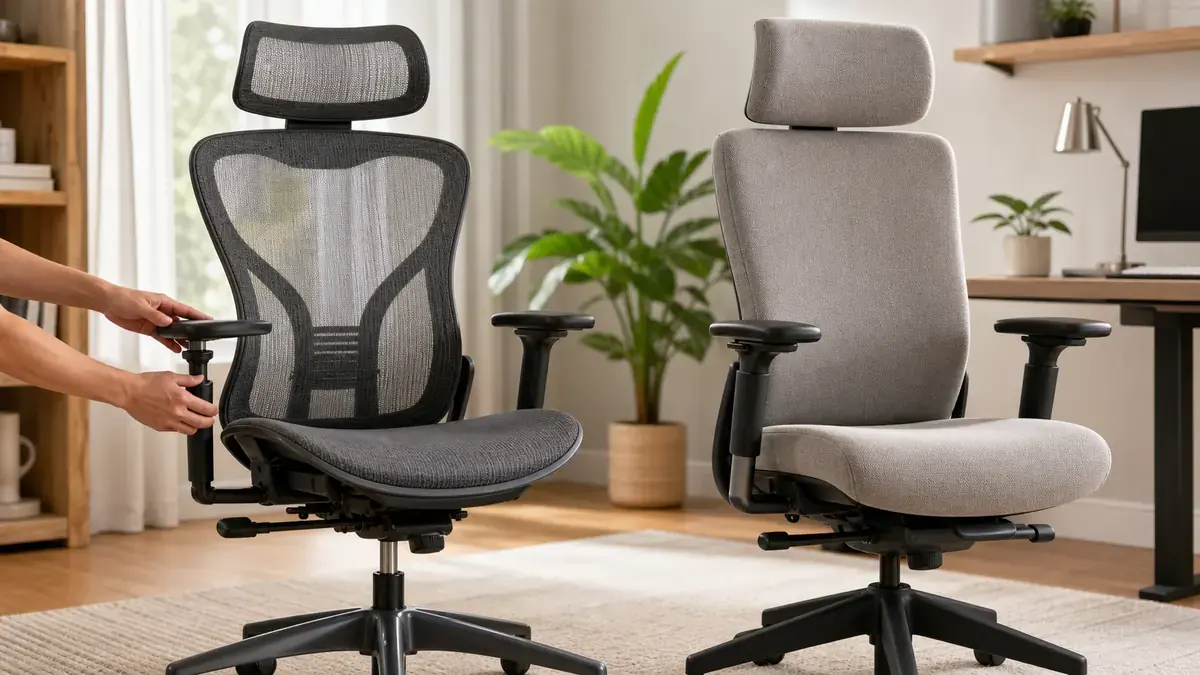
For Impact and brand review purposes, this article should eventually be backed by original photos: unboxing, assembly steps, side profile, lumbar close-up, armrest positions, recline range, and a desk-fit shot with a standard home office setup.
Who should have it on the shortlist
The C300 is most interesting for buyers who already know that a basic padded chair is not enough. If you want a breathable mesh back, a more active lumbar feel, and a chair that looks like a real ergonomic upgrade rather than a temporary task chair, it belongs on the shortlist.
It is also a reasonable research target for people who cannot stretch to Herman Miller, Steelcase, or Haworth pricing, but still want a chair that gives them more adjustment language than a generic marketplace listing.
Where the C300 can disappoint
The C300 is not the safest pick for every body type. Mesh firmness, seat width, and lumbar pressure are personal. A buyer who wants a soft cushion, a very wide seat, or showroom testing before ordering may be happier comparing other chairs first.
The other risk is expectation. Dynamic lumbar support can help a chair feel more supportive, but it is not a medical treatment and it will not fix a desk that is too high, a monitor that is too low, or feet that cannot rest flat.
How I would test it before publishing a final verdict
The minimum useful test is a full workweek, not a five-minute sit. Track comfort after two hours, after four hours, and after a long call-heavy day. Measure seat height range, armrest clearance under a desk, recline usability, headrest position, and whether the lumbar support feels helpful or intrusive.
The final article should compare the C300 directly against the M57 and one non-Sihoo baseline chair. That comparison matters because the C300 only earns the upgrade if the support system feels meaningfully better than the cheaper alternatives.
Last checked by Desworthy editorial workflow: July 25, 2026. Prices, stock, shipping, and warranty terms can change without notice.
Editorial note
This seed article is written as a detailed editorial starting point for Desworthy. Add original product photos, hands-on measurements, and live retailer checks before treating it as final review coverage.
Affiliate disclosure
This article may contain plain editorial links or approved affiliate links. Any link that can compensate Desworthy should be identified near the shopping content.